Our story
A letter from Jenn
wylla began with a party.
In 2023, my daughter and I started an annual Galentine’s gathering. I live with seasonal depression, and February in Michigan is brutal: bitter cold, and almost no sun. We wanted to build one bright thing in the dark middle of winter, so we decided to fill our home with our favorite women for a night of crafts and community.
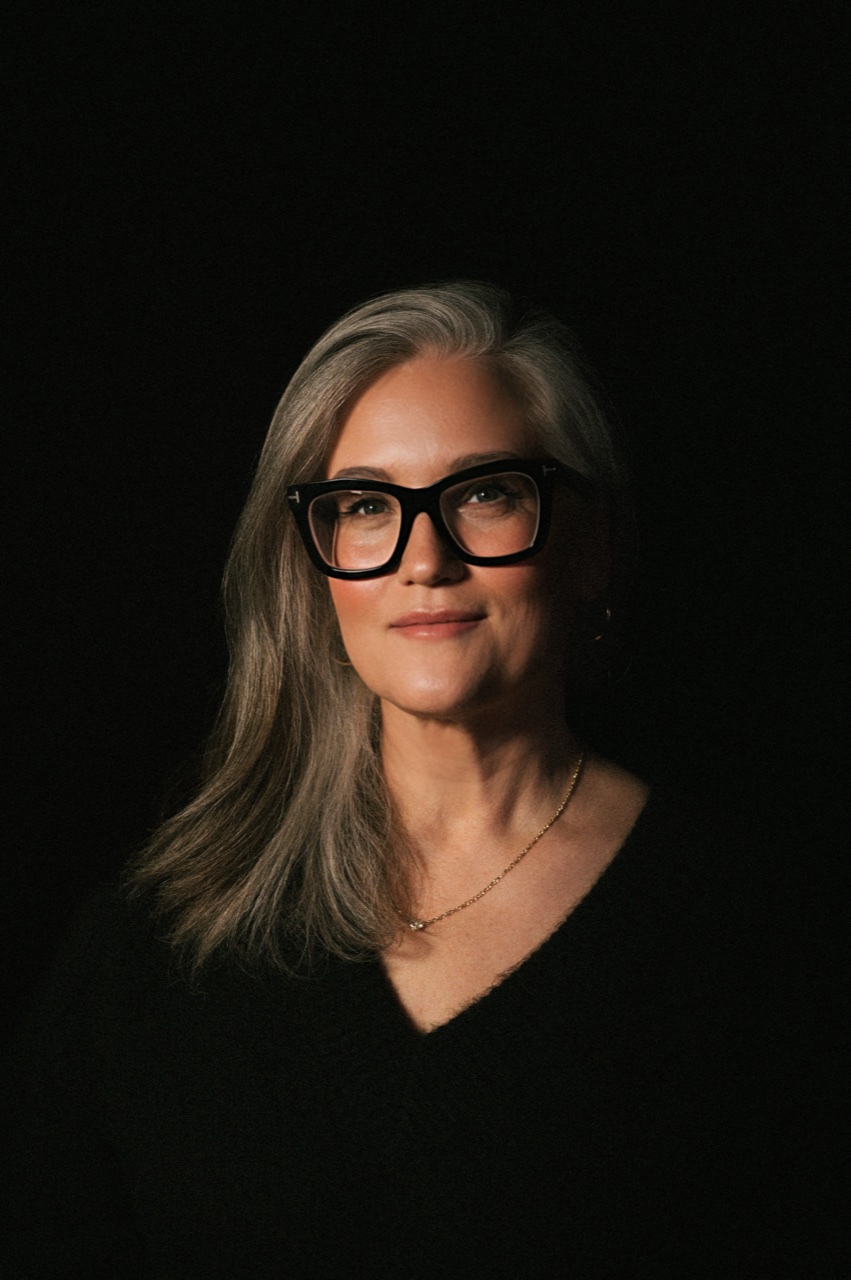
That first year, we asked everyone to bring a favorite from the past year, a book, a podcast, or an artist, along with a dish to pass that was inspired by it. We made friendship bracelets. We arranged flowers into thrifted vases for everyone to take home. We brought in a masseuse for chair massages. Every year since, we do two craft projects (painting pottery, making charm necklaces, junk scrapbooking, goal punchcards) and one special thing: tarot readings, aura readings, chair massages, and this year, a wonderfully talented photographer taking artful portraits that captured the outer and inner beauty and strength of each woman. We always end the night with a wild, laughter-filled white elephant exchange of our favorite things from the year.
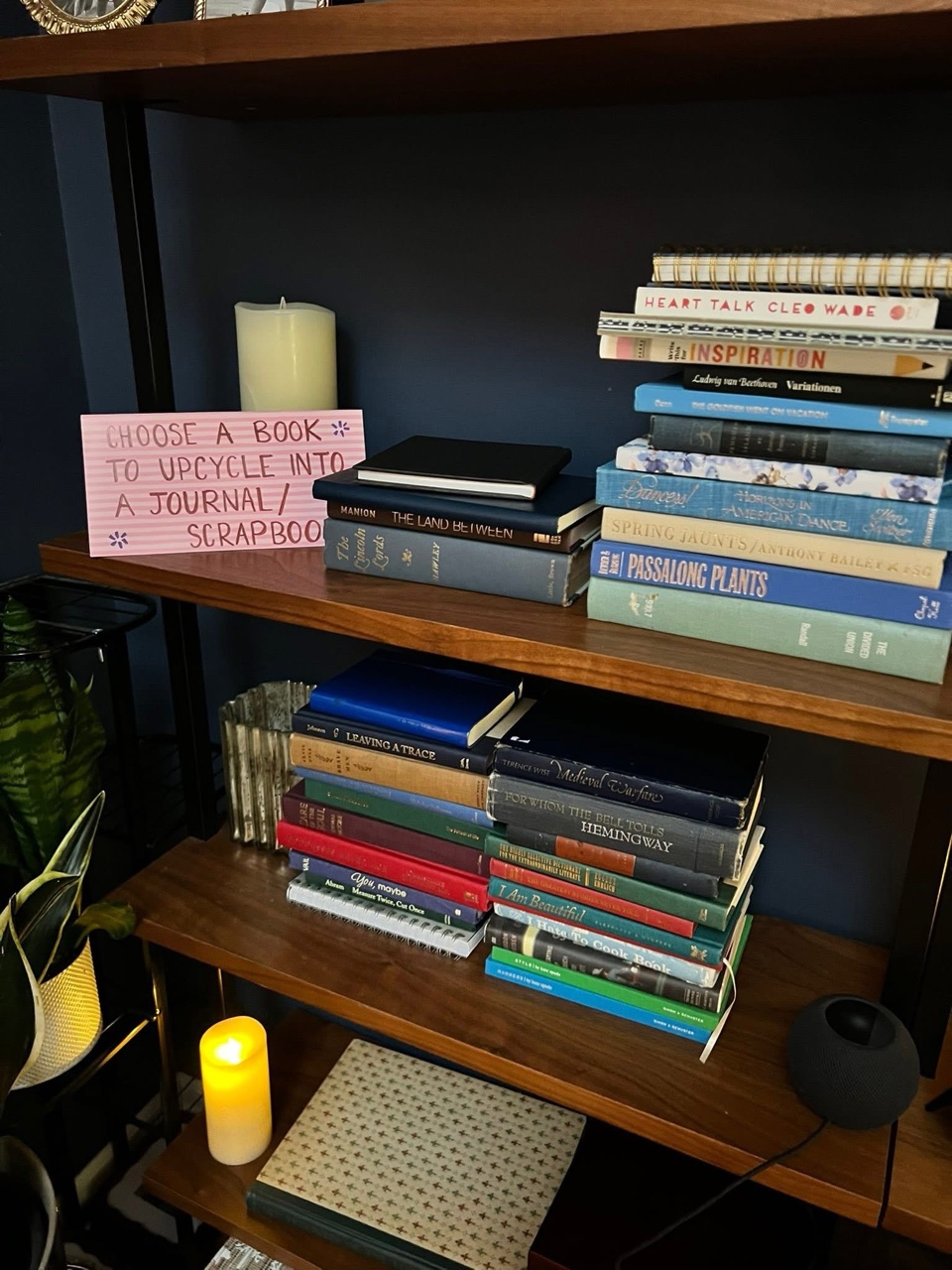
We invite women from every corner of our lives: long-time friends, family, new friends, coworkers, the parents of our kids’ friends. And we always tell everyone to bring a friend, so every year my daughter and I meet a handful of women for the very first time. The circle keeps widening. About thirty to thirty-five women come each year. A core group returns every time, and at least a third are there for the first time. They come from every background, ethnicity, religion, and walk of life: stay-at-home moms and women with demanding careers, single and married, women with children and women without. Their ages have ranged from late twenties to 82.
Everyone loves it. It fills my heart more than I can put into words. We talk, we laugh, we cry, we share. It is just amazing.
About a month after this year’s gathering, I caught myself wishing we didn’t have to wait a whole year to do it again. That quiet wish is where wylla was born. wylla will never be the same as being together in person. Nothing is. But I hope it comes close, and that it keeps the spirit of that one night alive through all the months in between, until we can gather again.
Those women are the main reason wylla exists. They showed me what it looks like when women gather and no one is selling them anything, ranking them, or asking them to perform. They just share what they know and celebrate who they are. I watched it happen in my home year after year, and I wanted to provide a way for us to stay in touch in a meaningful way to nurture our community until the next Galentine’s.
Coinciding with the wish to stay connected to the wonderful women in my life, was that I was also worn out by social media. There is real good in it: keeping up with the people I love across distance, supporting friends and small businesses who market themselves there, and activism that moves people to come together for a great cause. I didn’t want to lose any of that. I just couldn’t take the algorithms and the ads anymore, the feeling of being sorted and sold to every time I opened an app. I’m 54. I have wrinkles. I have gray hairs. And every time I open a social media app, someone is trying to fix that. Shapewear ads between my friends’ posts. Serum ads between the recipes. The worst part is that it comes wrapped in the language of empowerment. “You’re perfect just the way you are. Also, here’s a code for 20% off.”
I got tired of it. Tired of being a product. Tired of being a target demographic. Tired of opening an app that was supposed to connect me with the people I care about and instead getting a constant stream of messages that I’m not enough.
The truth is, I’m lonely sometimes, and I don’t think I’m alone in that. The women I love most are scattered across different cities, states, and countries. We text when we can. And somewhere in the gap between the last time we were together and the next, social media steps in and offers a simulation of community. A marketplace dressed up as a village.
I don’t want the simulation anymore. I want the real thing. I can’t move all my favorite people to the same city, but I can build a place where we’re all together whenever we want to be.
That’s wylla. No ads, not now, not ever. No algorithm deciding what I see or who sees me. No follower counts, no like counts, no filters designed to make me look like a different person. Just women sharing their real lives, their wins, their losses, and everything in between.
wylla is a place to share what sparks you and the things you love: a book that stayed with you, a product worth the money, a recipe, a doctor, a piece of hard-won advice. It is where you ask the questions you would only trust another woman to answer, and where you pass on what you know. Recommendations and wisdom from women you trust, not an algorithm or a sponsored post.
None of this is new. For most of human history, this is simply how women lived, trading knowledge wherever they gathered. What is new is how much of it we have lost, and the women who study this are clear about the cost. The psychologist Julianne Holt-Lunstad found that weak social connection carries a health risk comparable to smoking. Sherry Turkle of MIT has spent decades describing how our screens offer the illusion of companionship while crowding out real conversation. The psychologist Marisa Franco has written about how ordinary adult life quietly lets our friendships fall away. The feed moved in where the gathering used to be.
wylla is an attempt to build the gathering back.
wylla is built on a few things I believe. That all women deserve autonomy, dignity, safety, and equal participation in the world. That a woman in her 20s and a woman in her 70s have more to teach each other than most of the internet would have them believe. That rest is not laziness: if you disappear for a week or a month because life is full, the space will be here when you come back. That the loneliness so many of us feel is not a personal failing. It’s what happens when community gets replaced by content, and connection gets replaced by consumption. The answer isn’t another product. It’s a place to be.
wylla is the Old English word for a well: the place where the water rises, where the village gathered, where women met every day to draw what their households needed and traded what they knew while they waited. A thousand-year-old word that happens to look like a woman’s name. That felt right.
wylla has a door, and it’s always open.
Come as you are. Stay as long as you like.
With love,
Jenn